






상단 이미지

ABOUT US


Wooseok E&C Co., Ltd.
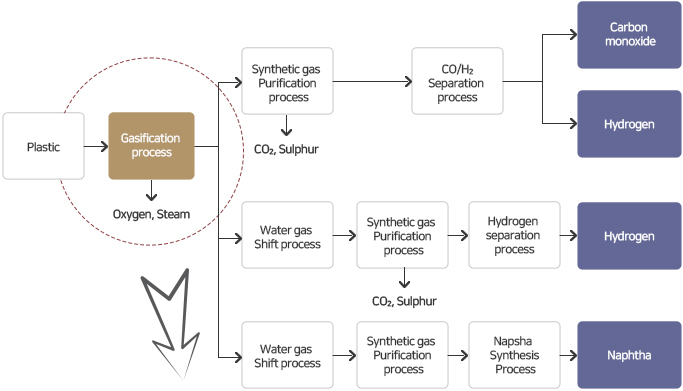
  • Synthetic gas (H₂, CO) production
  • Hydrogen production equipment manufacturing
  • Gasification machine installation work
  • Trading business
  • Biomass/Biogas business
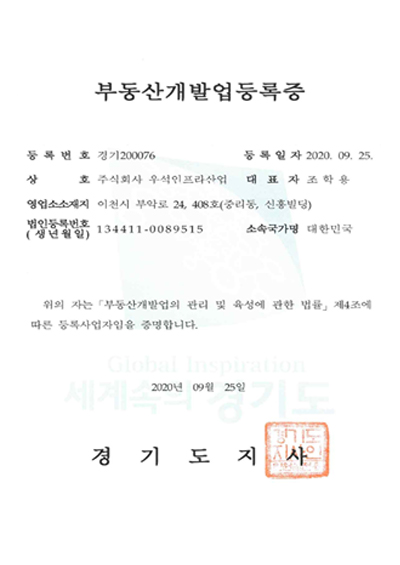
Wooseok Infrastructure Industry Co., Ltd.
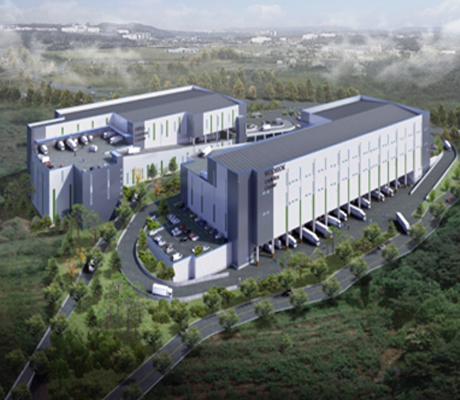
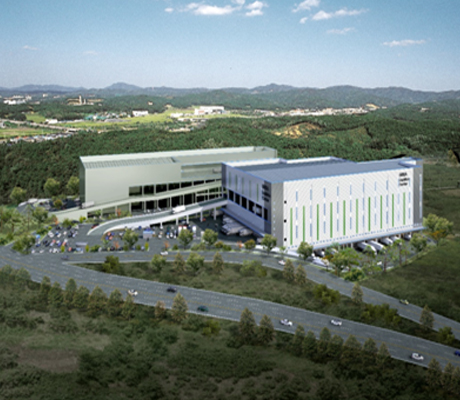
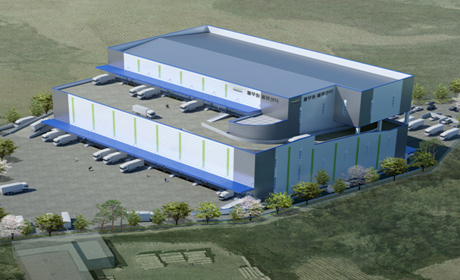
  • Real Estate Development
  • Urban Redevelopment Projects
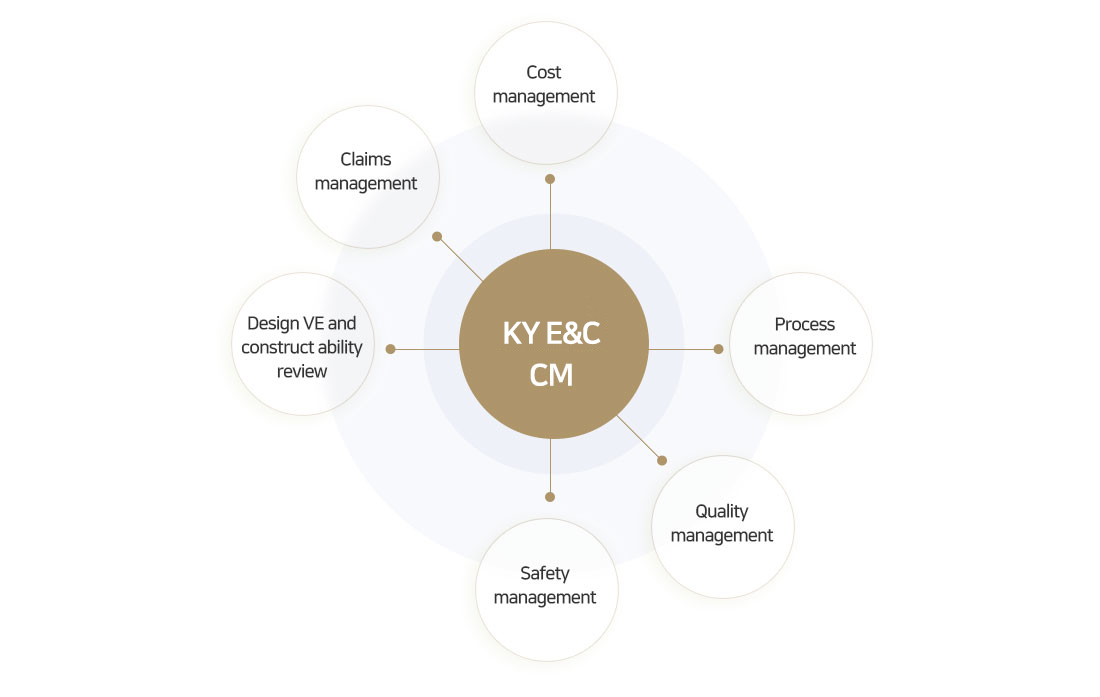
KY E&C Co., Ltd.
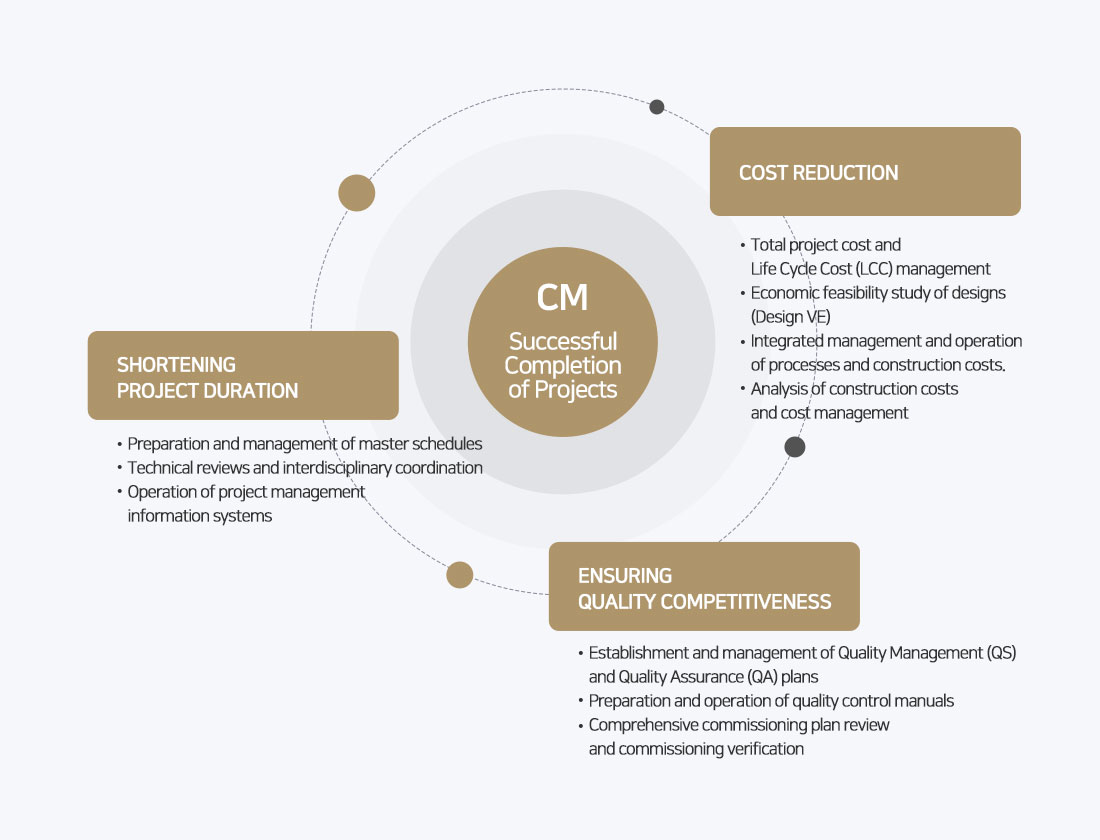
  • Construction Project Management (PM, CM)
  • Construction Engineering
  • Recycled raw material processing business
  • Real estate leasing business
KS Ener Tech Co., Ltd
  • Hydrogen production, storage, transportation, supply, and sales
  • Refining and sales of by-products from hydrogen production and supply
  • Design, manufacturing, operation, and maintenance of high-temperature gasification and synthesis gas facilities
  • Processing of waste synthetic resins and production of recycled raw materials
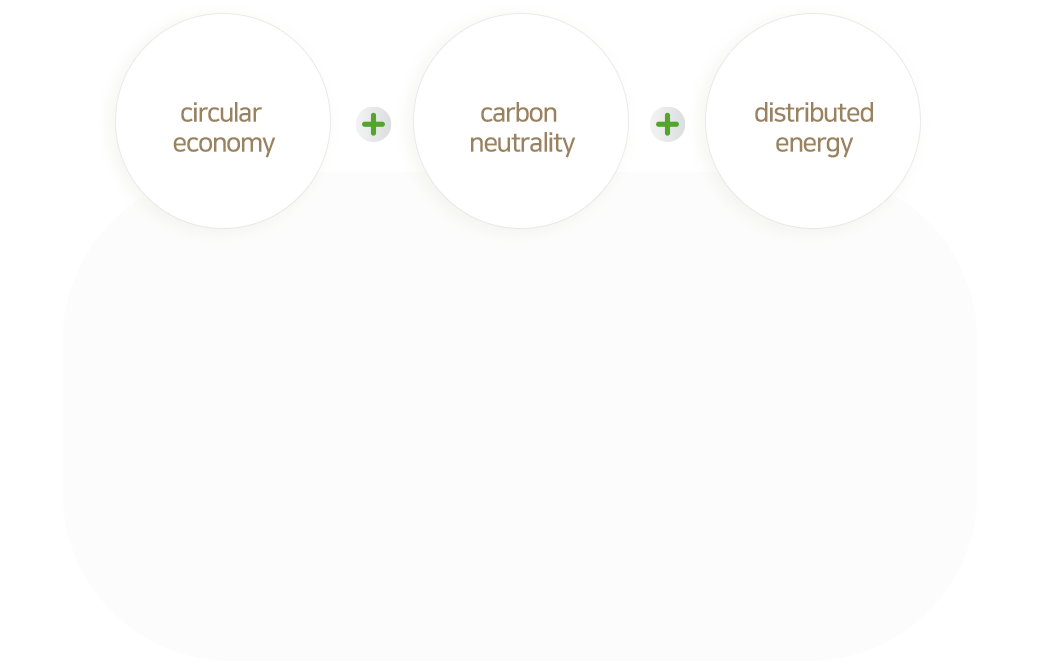
  • Development of renewable energy and carbon-neutral technologies
배경
WOOSEOK 로고
건설사업관리, 부동산개발업, 합성가스생산플랜트사업의
축적된 경험과 기술력을 바탕으로 글로벌 기업으로 성장
㈜우석이엔씨는 축적된 영업력과 기술력을 바탕으로 건축, 토목, 에너지, 환경플랜트, 도시정비사업 등의 PM, CM업무를 주요사업으로 영위하며, 사업부지 선정부터 매각까지 전 과정을 양보할 수 없는 절대적 가치로 제공하기 위해 최선을 다하고 있습니다. 또한, 산업통상자원부에서 인증한 수소전문기업으로서, 폐플라스틱 및 폐기물의 고온가스화를 통해 화학적 반응을 구현하는 환원로를 개발했습니다.

한국전력기술㈜과 고등기술연구원과 함께 상업화 R&D연구를 완료하고, 각 공정별 모듈화를 통해 에너지나 화학적 원료가 필요한 곳에 설치 및 운전할 수 있는 기술을 확보했습니다. 이 기술은 신재생에너지 공급 부분에 새로운 솔루션을 제공하여 "국가의 2050 탄소중립 추진 전략"에 기여하고, 국가의 수소공급정책 역할을 분담하여 에너지 자립화에 기여합니다.

우석이엔씨는 혁신성장형 벤처기업으로서, 에너지를 생산하는 장비를 수출하는 국가로 발전하고, 인류의 풍요로운 삶을 추구하는데 역할을 다할 것입니다. 고객에게 차별화된 경험을 제공하고, 품질 향상 및 기후 기술 연구와 실천에 최선을 다하겠습니다.
Development Purpose
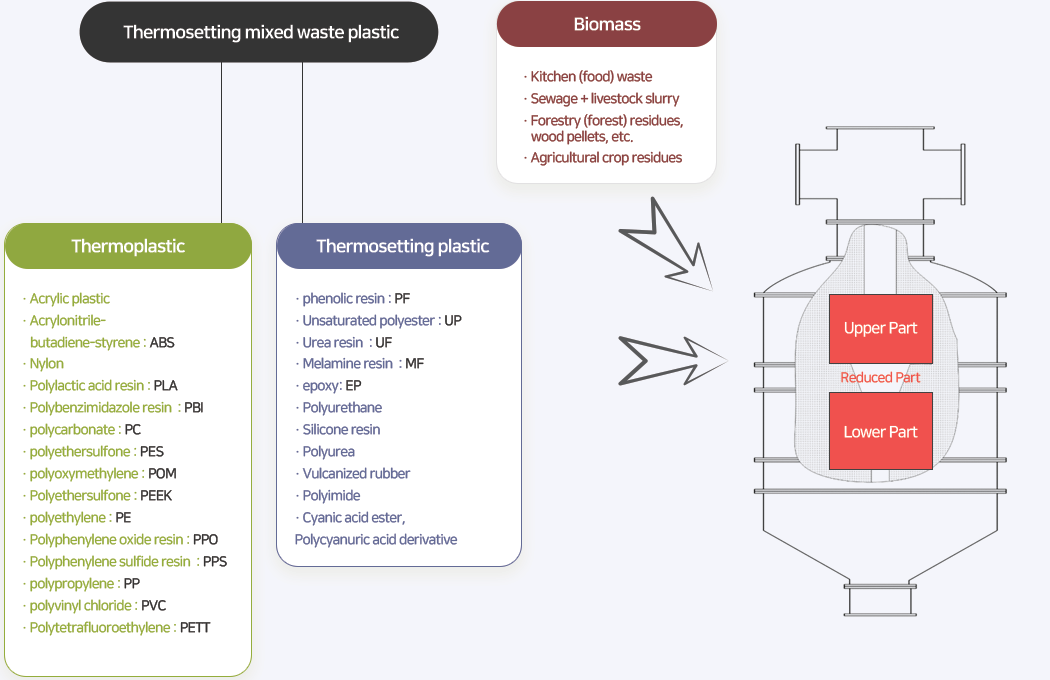
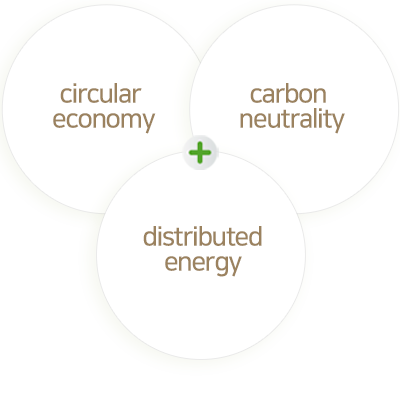
By processing various raw materials such as mixed waste plastics, including thermosetting, into renewable raw materials to build a resource circulation economy through chemical treatment with hydrogen and chemical raw materials, establishing climate technology that contributes to 2050 carbon neutrality, preventing global warming, supplying waste generated from industrial sites as energy from the site as raw materials, and as a regional base and distributed supply technology, it is a technology specialized in materials, par ts, and equipment that uses raw material conditions as raw materials or processes depending on the location. The purpose of the development is to present stable and low-cost hydrogen production and supply crisis response design and operation plans. It is a high-temperature gasification technology that opens the preface to the gasification era to the end of the incineration era. It completes gasification technology with pure domestic technology to prevent foreign cur rency losses and increases expor ts with resource circulation construction and supplying on-site hydrogen and chemical raw materials.
Development Background
Environmental Necessity
  • Recycling mixed waste plastics into clean energy
  • Building a circular economy with domestically developed high-temperature gasification technology
  • Solving the problems of landfill and incineration methods
Policy Necessity
  • Contributing to national policy through carbon emission reduction
  • Reducing fossil fuel use through the spread of renewable energy
  • Establishing climate technology for climate change response policy
Policy Necessity
  • Contributing to national policy through carbon emission reduction
  • Reducing fossil fuel use through the spread of renewable energy
  • Establishing climate technology for climate change response policy
Development of hydrogen production and power generation technology based on
high-concentration syngas for mixed waste plastic recycled materials, including thermosetting plastics.
Comparison of Hydrogen Production Methods
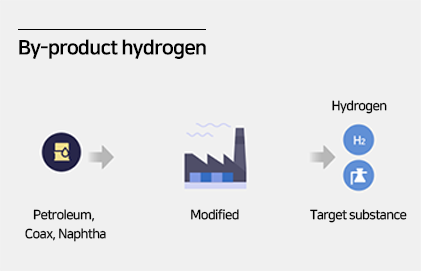
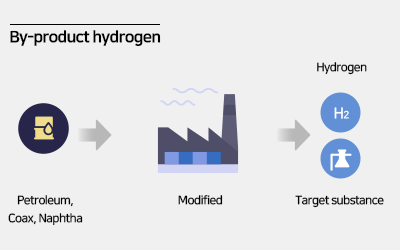
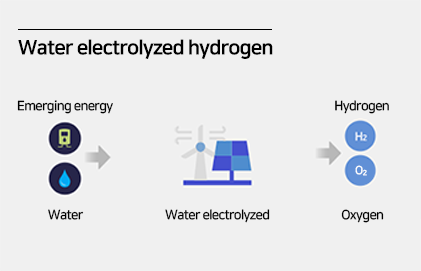
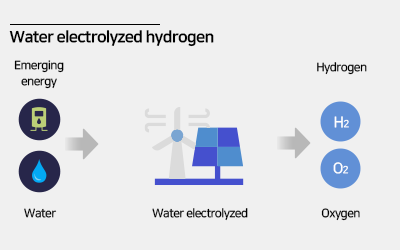
Category Reformed Hydrogen By-product Hydrogen Electrolyzed Hydrogen Woosuk ENC Co., Ltd.
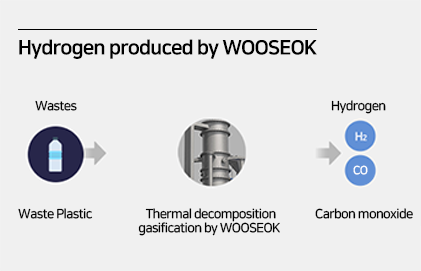
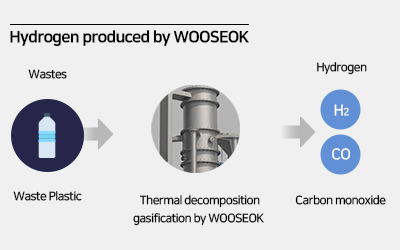
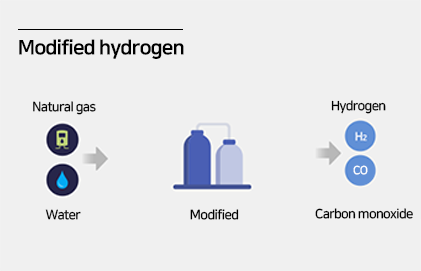
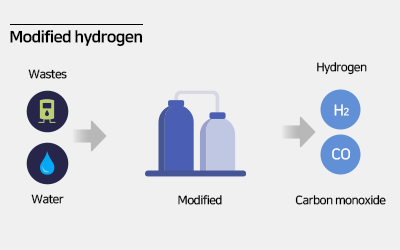
Raw Material Natural gas, Biogas Petroleum, Coke, Naphtha Electricity + Water Renewable raw materials
Generated Gas H₂, CO H₂, Target substance H₂, O₂ H₂, CO
Fine Dust None None None None
Operation
Characteristics
Frequent failures,
poor continuous operation
Depends on petrochemical/
steel process operation
characteristics
Highly affected
by weather conditions
Continuous operation
365 days a year
Operating
Temperature
400~500℃ - - Above 1,450℃
Physicochemical
Reaction
By-product generation
during petrochemical/
steel process operation
Electrolysis Thermal decomposition
+
Gasification
Energy Recovery
Method
High-purity hydrogen,
Power generation
High-purity hydrogen,
Power generation
High-purity hydrogen,
Power generation
High-purity hydrogen,
Power generation
Fuel Supply Method - - - NG, Renewable
raw material combustion
Operating Cost
(KRW/kg)
3,000 or more - 10,000 or more Included in shipping price
Shipping Price
(KRW/kg)
7,800 or more
(Chungju)
4,800~5,300 18,000 or more Below 6,500
(including operating cost)
Transport Cost
(50km)
2,000 2,000 2,000 -
Disadvantages - Not eco-friendly due to large
CO₂ emissions
- Highly affected by raw material
prices
- Frequent equipment failures
- Hydrogen loss during
transportation
- Limited scalability,
not suitable for mass production
due to high investment cost
- Hydrogen loss during
transportation
- Limitations in expanding wind
and solar power generation

- Hydrogen loss during
transportation
- High production cost
Although large-scale plants have
long-term operational records
in Japan, Canada, and Europe,
there are challenges in promotion
as it is the first domestic operation
using small-scale equipment
Energy Productivity Normal Normal Normal High
Hydrogen production method
Applicability of hydrogen technology
Energy production industry

  • Value-added synthesis gasification of recycled plastics with high-temperature gasification
  • Small-scale distributed fuel cell power generation system
  • Integration infrastructure with other industries
  • 지역분산형/지역거점형 기술
Greenhouse gas reduction eco-friendly industries
  • Leading the green industry of greenhouse gas reduction
  • Establishing a resource circulation economic system
  • Optimizing applicability of eco-friendly climate technologies
  • ESG 경영효과
Energy efficiency improvement industries
  • Leap into eco-friendly high-efficiency power generation industries
  • Expansion of various hydrogen fuel cell power generation industries
  • Contribution to activating the hydrogen economy with high-efficiency energy
  • 생산현장에 RE100 효과
Government direction for activating the hydrogen economy
Production
  • Paradigm shift from gray hydrogen to green hydrogen production
  • Utilization of by-product hydrogen and large-scale extracted hydrogen production
  • Securing economic feasibility and large-scale introduction of overseas CO2-free hydrogen
Storage and
Transportation
  • Establishment of a stable and economical hydrogen distribution system
  • Diversification of storage beyond high-pressure gases to include high-efficiency liquid, liquid, and solid storage
  • Nationwide pipeline construction, large-scale distribution initiatives such as hydrogen transport ships
Industries
  • Establishment of cross-departmental technology roadmaps and leading global hydrogen standards
  • Completion of hydrogen economy laws, safety laws, and other legal systems
  • Establishment of a foundation for implementing the hydrogen economy
Technical ramifications of WOOSEOK E&C Co., Ltd.
Production
  • Establishment of bases for converting from green hydrogen to clean hydrogen production
  • Distribution of clean hydrogen through completion of regional hubs and distributed hydrogen production bases
  • Mass production of clean hydrogen (CO2 free) and gaining economic superiority
Storage and
Transportation
  • Realization of diversified distribution through decentralized clean hydrogen production base
  • Securing technology for high-purity (99.99%) high-pressure gas and liquid storage and conversion
  • Construction of hydrogen supply infrastructure through expanded regional hydrogen production bases
Industries
  • Securing global hydrogen production technology and building a foundation for the spread of the hydrogen economy
  • Integration of waste treatment technology through securing raw material diversity
  • Development of carbon-neutral climate technologies minimizing secondary pollution
  • Securing domestic core technologies in the eco-friendly new energy sector and entering overseas markets
Application in Industrial Sectors
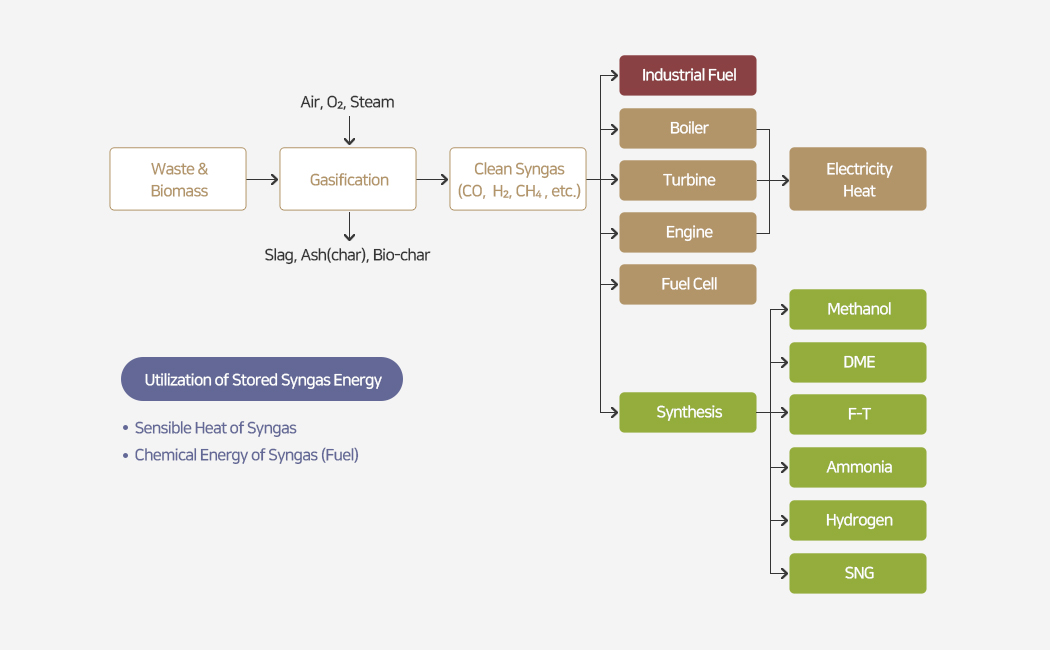
  • As a modular-type small gasifier, it can be easily applied to existing industrial sites.
  • By localizing the core source technology, industrial residues are utilized and supplied as energy.
  • Combustible materials are converted into reducing gas, and inorganics into slag, achieving near-zero waste disposal.
  • Small and medium-sized gasifiers are expected to generate export effects alongside the spread of hydrogen vehicles overseas (U.S., Japan, China, Middle East) depending on technological capabilities.
  • Shifts from large-scale hydrogen production to distributed small-scale production, storage, and transportation methods.
  • Leading the establishment of an international technological cooperation system with related technologies (currently in cooperation with Company J in Japan, Company S in China, and Company P, etc.).
  • A modular production system is established based on an appropriately sized standard model according to the required capacity, based on plastic processing volume.
  • Realization of a regional distributed hydrogen supply model with small-scale investment (hydrogen production capacity of 1–2 tons per day): applicable to on-site hydrogen refueling stations.
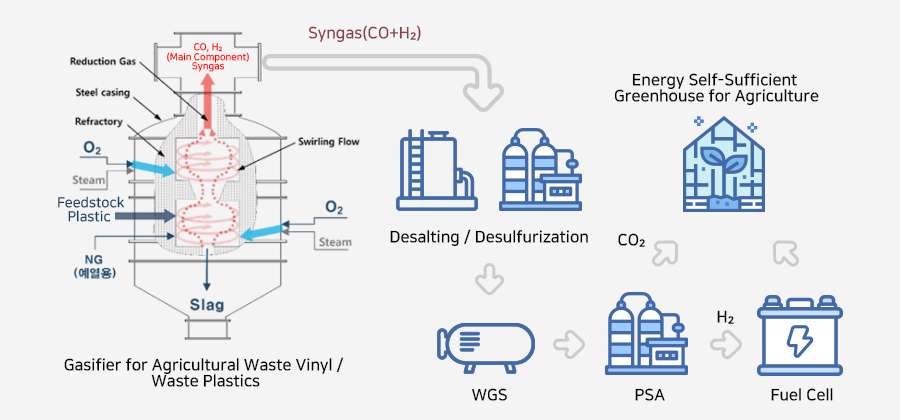
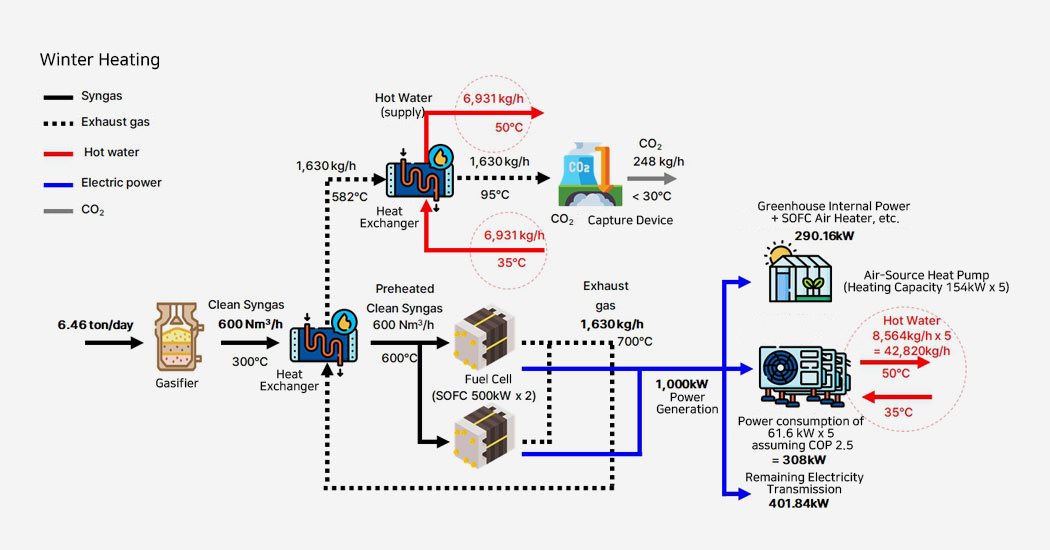
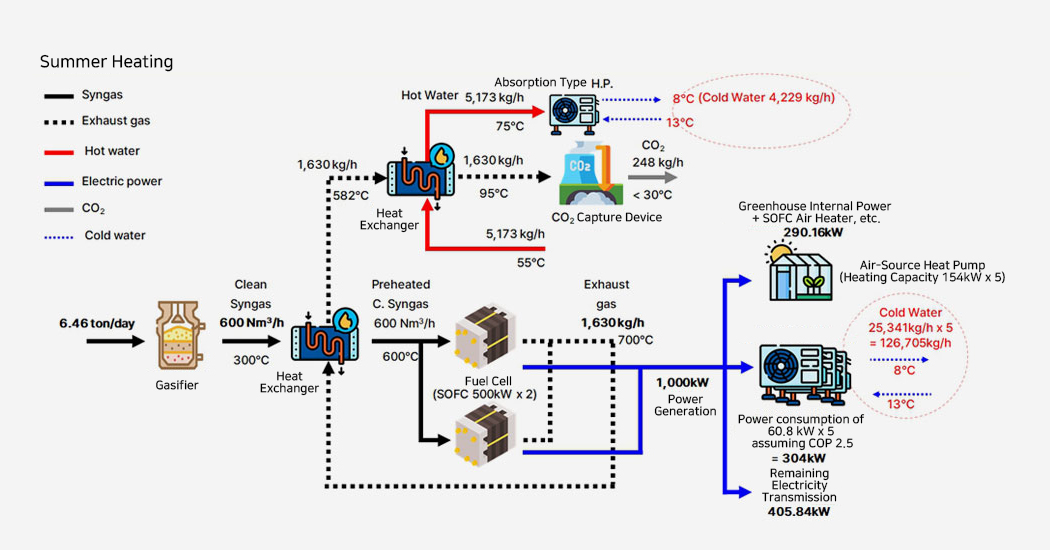
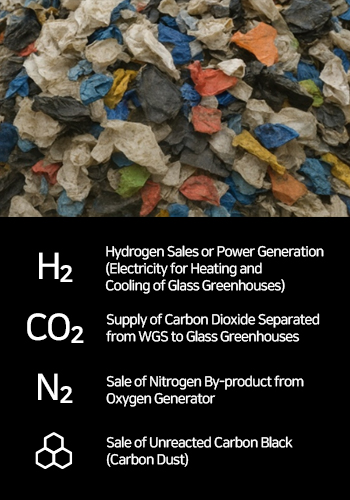
  • CO₂ generated during the hydrogen production process is refined and supplied for use in the food and beverage industry, dry ice production, and greenhouses (smart farming renewable energy supply).
  • Supply of high-volume synthetic gas based on low production costs
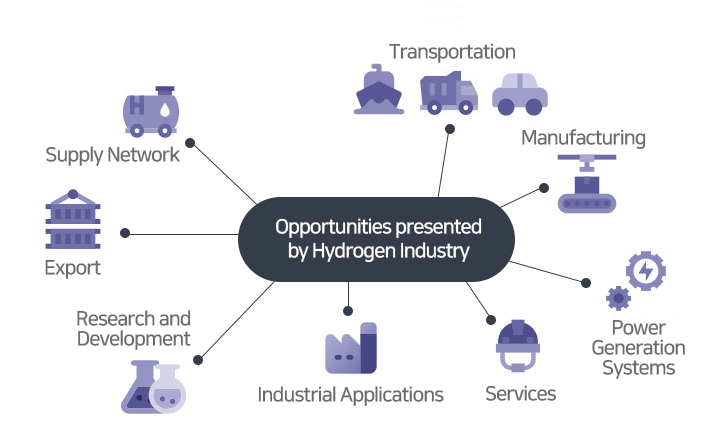
  • Expansion into various new future industries from transportation to energy industries
  • Integration into energy source technologies for all industries as eco-friendly clean energy infrastructure technologies
Production
  • Hydrogen production completed with pure proprietary technology
  • Export of new proprietary technology through waste recycling
Transportation
  • Establishment of a stable and economical hydrogen distribution system
  • Installation of hydrogen refueling stations by resolving site constraints and downsizing plant facilities
Power Generation
  • Activation of fuel cell industry and expansion of small-scale power generation systems
  • Entry into the eco-friendly high-efficiency power generation industry market
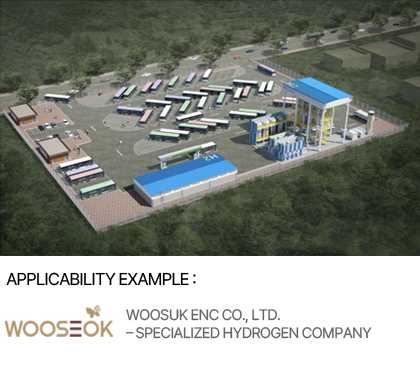
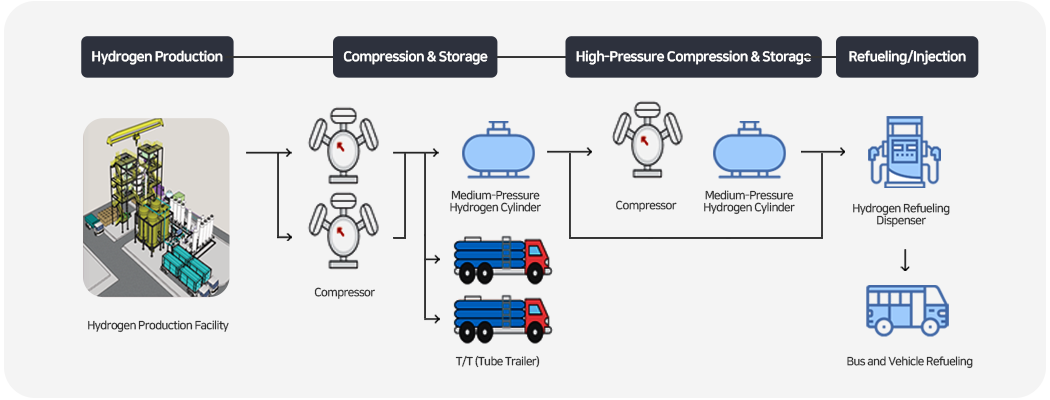
Schematic Diagram of Hydrogen Production Facility and Refueling Station Integration
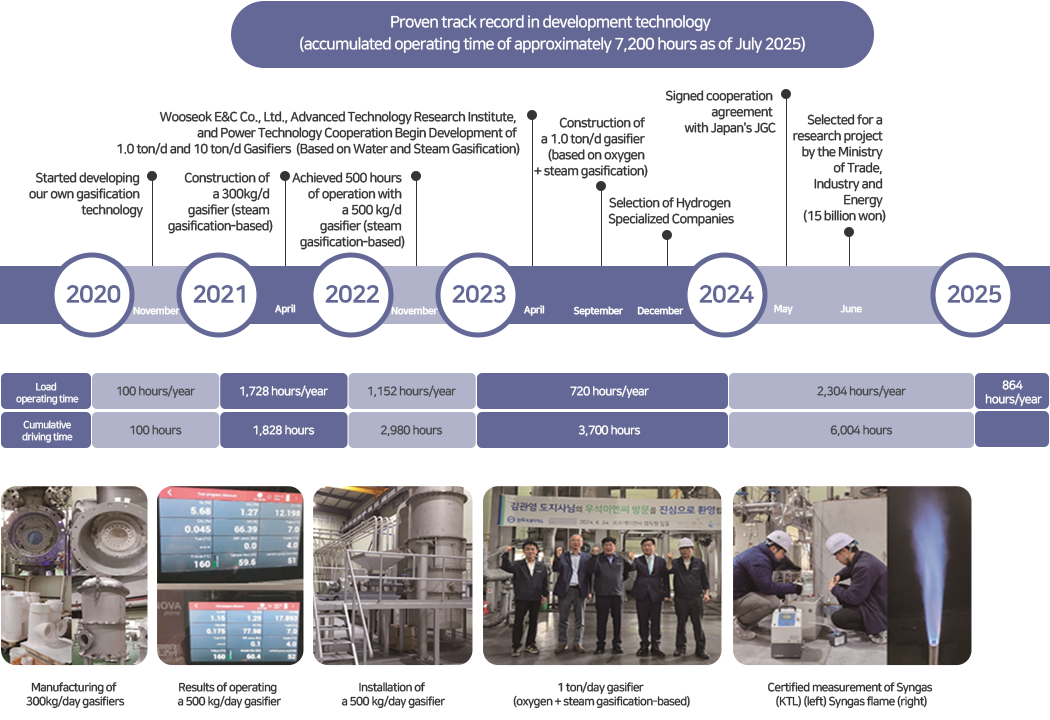
March 2023: Commercialization R&D and Advanced Development
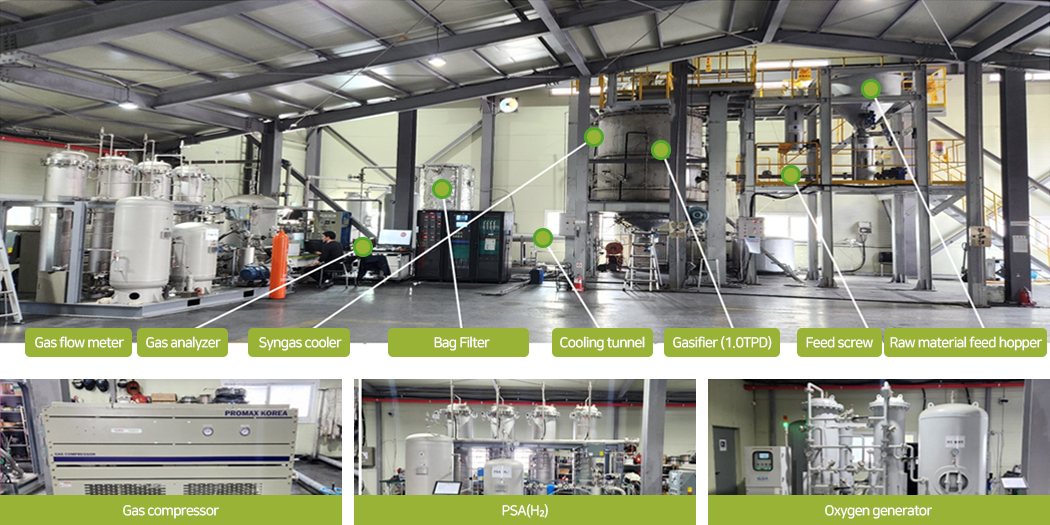
Demonstration facility operating continuously at 1 ton/day using waste plastics, including PVC, regardless of color or contaminants (achieved 6,848 hours as of July 2025)
Establishment of 10 tons/day medium and small-scale commercialization facilities and promotion of commercialization
  • Gasifier: Sharing patented technology with the Advanced Technology Research Institute and participating in domestic and international technical collaborations, as well as national projects
  • Refining and Separation: Collaborating with Korea Electric Power Technology for domestic and international technical cooperation, and promoting commercialization participation
For PP/PE/PS raw materials, large-scale commercialization technology above 100 tons/day in collaboration with Japan's JGC, and small-scale 10 tons/day commercialization technology in collaboration with Woosuk ENC Co., Ltd.
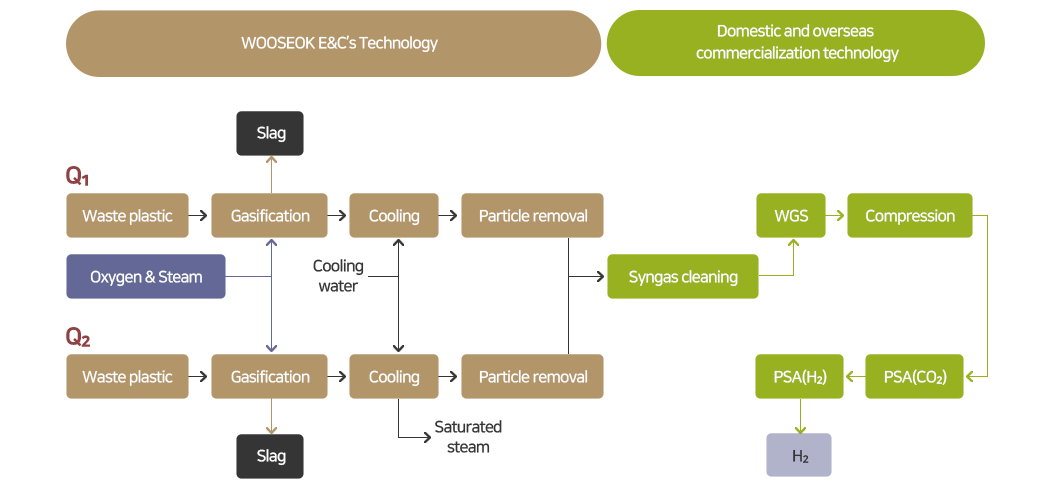
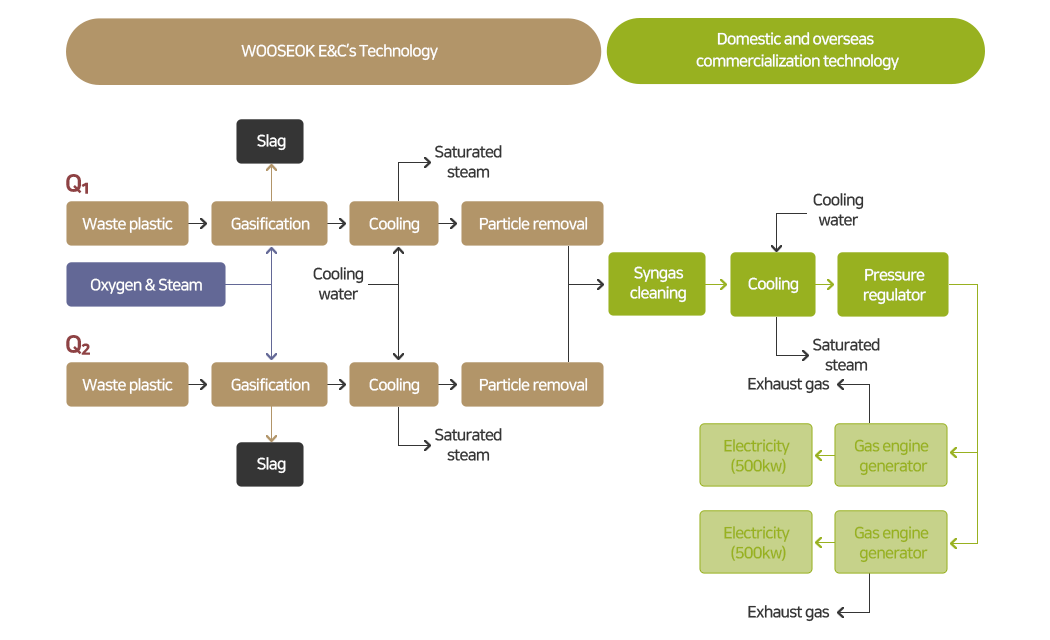
Based on developed technology, the hydrogen production model, hydrogen production + power generation model, and syngas power generation model have been completed for sales product models
History of Technology Development
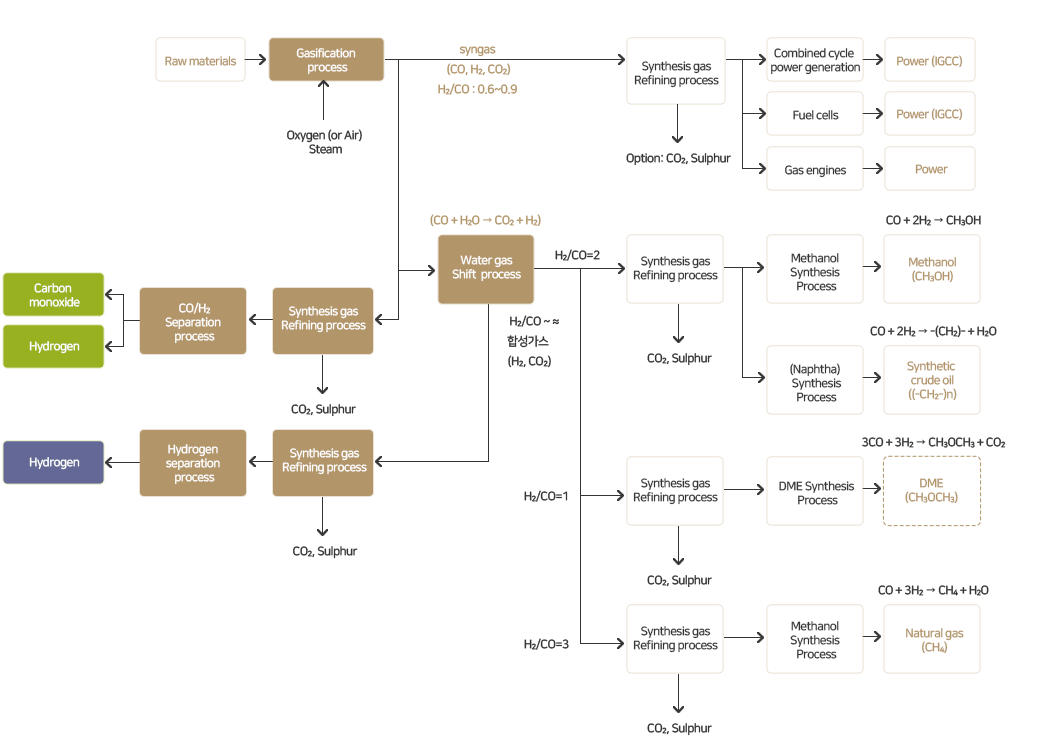
Manufacturing of fuels and raw materials based on gasification technology
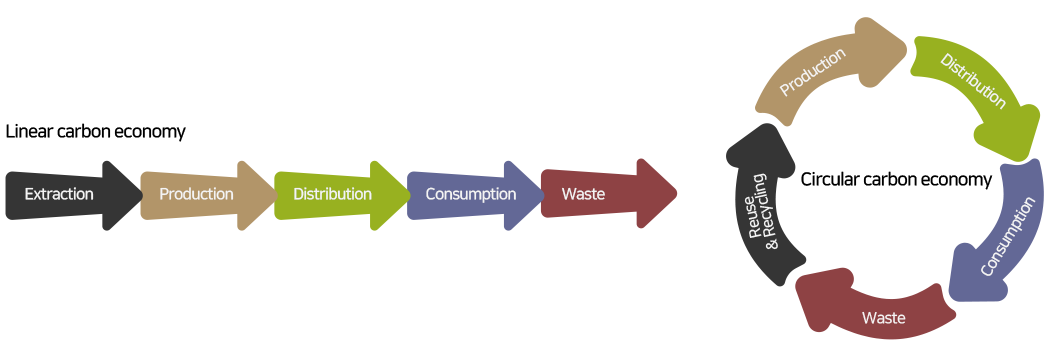
Linear carbon economy and Circular carbon economy
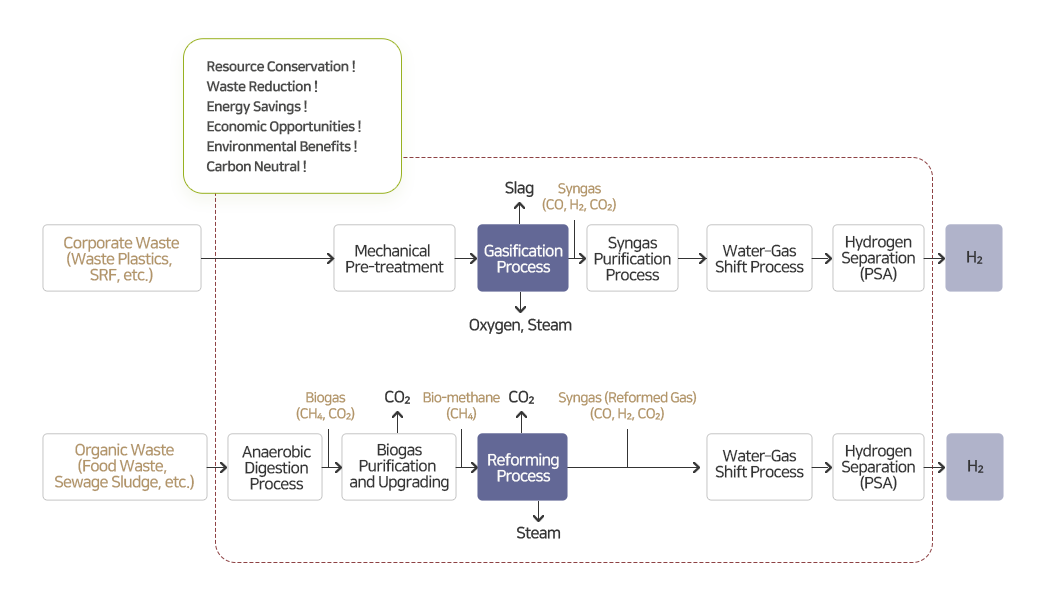
Hydrogen Production from Municipal Waste
(Also applicable to agricultural waste, construction nets, waste fishing nets, and thermosetting plastics)
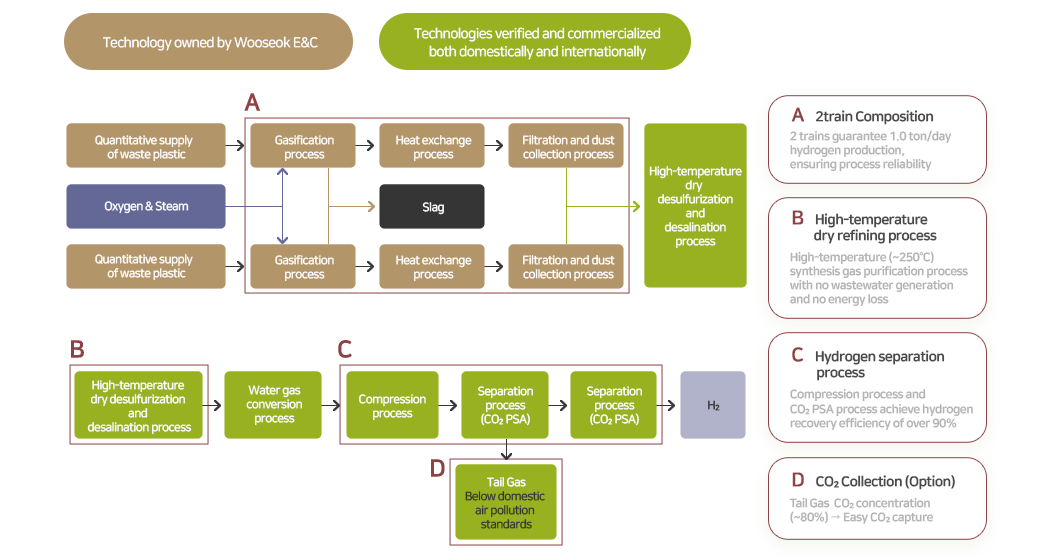
Wooseok E&C Gasification Business and Technology Development Model
Process Configuration
Capacity - 10 tons/day (developed as a basic model)
- 30-50 tons/day under review
- 100 tons/first grade or higher
Applied
Technology
- Wooseok E&C's proprietary technology - Introduction of overseas technology
Products - Model 1: CO, H₂ production
- Model 2: H₂ production
- Others
- Model 1: CO, H₂ production
- Model 2: H₂ production
- Others
Features of Wooseok E&C's core gasification (Gasifier) technology
Basic Concepts of Gasifier Design and Operation
Capacity Current design plan
Capacity - 10 tons/day
Operating
pressure/
temperature
- 8 bar / > 1,550℃
Shape - Two-stage structure
Reagent supply - Oxygen + steam (500°C direct steam)
- Four swivel nozzles at the bottom and four swivel nozzles at the top
Raw material
supply
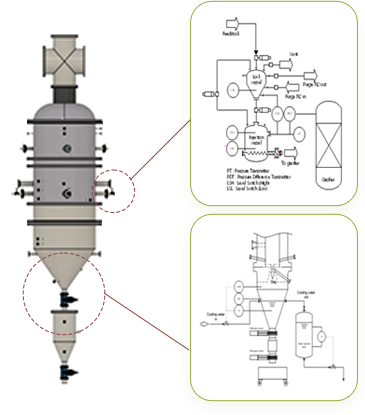
- Two hoppers (lock hopper + injection vessel) and screw feeder
Refractory - Firebrick, 1 insulated castable, 2 insulated castables, steel casing
Synthesis gas
cooling
- Water jacket with castable
Slag discharge - Slag tap + slag cooling and storage tank + cooling water storage tank
Item Features
Flexible response to CO and H₂ production volumes Oxygen, steam supply control → Flexible control of CO, H₂ ratio
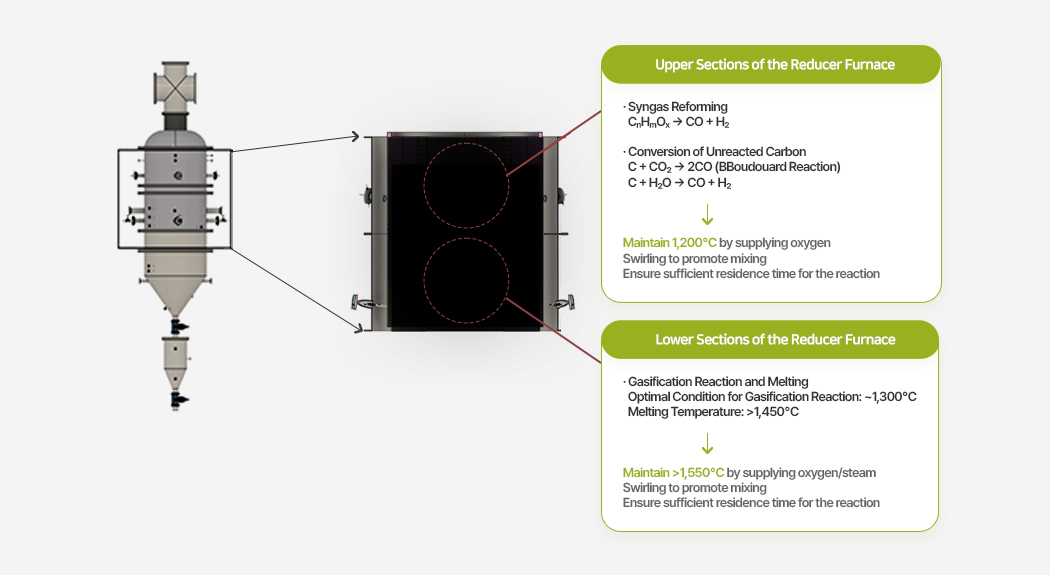
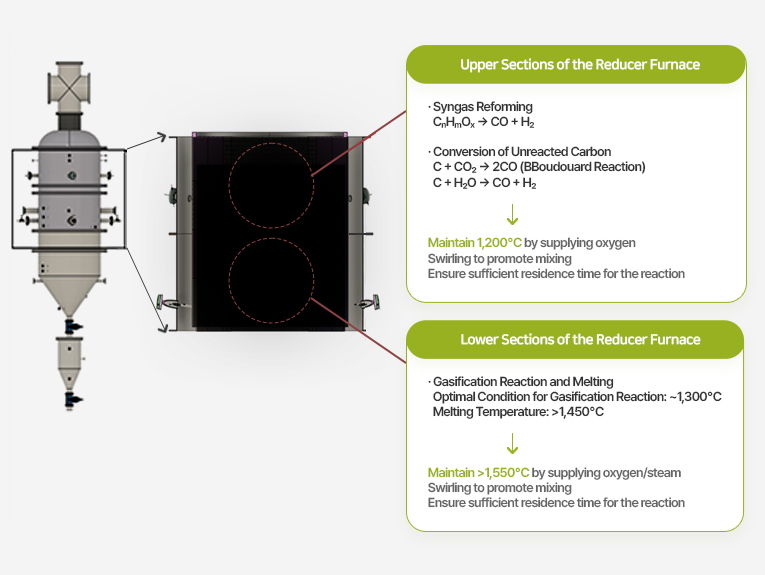
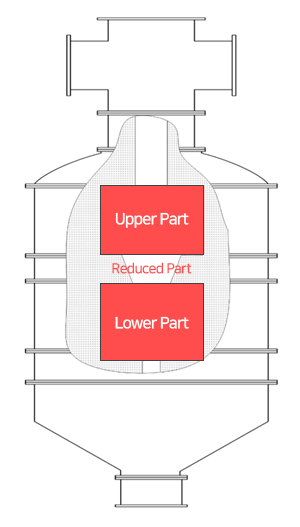
Maximizing synthetic gas conversion efficiency - Two-stage reduction furnace
(1st stage: gasification/melting, 2nd stage: conversion of unreacted carbon) →
Maximized efficiency
- Swirl flow → Promotes mixing and secures residence time for unreacted carbon
Robust design for high-temperature synthesis gas
environments
- Consider high-temperature reduction atmosphere and plastic characteristics
(ash characteristics) → Select refractory material
- Applying an appropriate cooling structure to the burner → Minimizing steam cooling
- Adoption of slag outlet material and structure that is simple
but capable of maintaining high temperatures → Prevention of clogging
- Compact continuous slag discharge and cooling structure adopted →
Continuous discharge during operation
- Continuous feed supply equipment under high pressure →
Possible increase in reduction furnace pressure
Minimal maintenance and convenience - The reduction furnace structure is simple because the same burner is used
for preheating and gasification.
- No need to control the pressure inside the furnace with a blower,
making operation easy and noise-free.
Core Technology of WOOSEOK Gasifier
Core Technology 1
Gasification and melting at the bottom, conversion of unreacted carbon at the top Technology for manufacturing high-concentration Syngas containing H2+CO
  • To promote mixing, the Syngas at the bottom is mixed with oxygen and steam burners sprayed from the top. Gasifier Two-stage structure with a reduction section installed at the boundary between the bottom and top
  • At the bottom, raw materials are fed, and eight oxygen burners are sprayed at a certain angle from the burner nozzles, creating a swirling flow field to promote mixing and ensure reaction time. At the top, oxygen and steam are supplied to convert unreacted carbon at the bottom into high-concentration Syngas, producing Syngas with H2 + CO > 85% or higher.
  • Through physical property analysis and process interpretation of mixed waste plastics, combustible components are converted into Syngas, and inorganic materials are discharged as slag under derived temperature conditions (operating temperature, oxygen and steam supply rates).
Core Technology 2
H2/CO ratio control technology by controlling oxygen and steam
  • Through physical analysis and process interpretation of mixed waste plastics containing thermosetting plastics, adjust the H2/CO ratio in the Syngas by the oxygen and steam supply amount at the operating temperature.
  • Adopt a burner that simultaneously supplies oxygen and steam at the bottom, and control the oxygen/steam amount to maintain the H2/CO ratio at less than 1 or greater than 1.
Elemental Technology
Refractory and refractory insulation construction technology suitable for high-temperature gasification
  • Set the internal operating temperature of the gasifier to 1,500°C or higher, where all components are dissolved.
  • Select refractory materials suitable for high-temperature gasification reactions (alumina series).
  • Possess refractory construction technology consisting of refractory materials + refractory insulation + insulation materials from the inside of the gasifier.
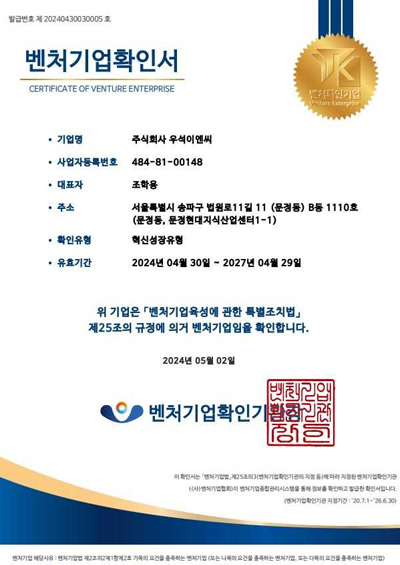
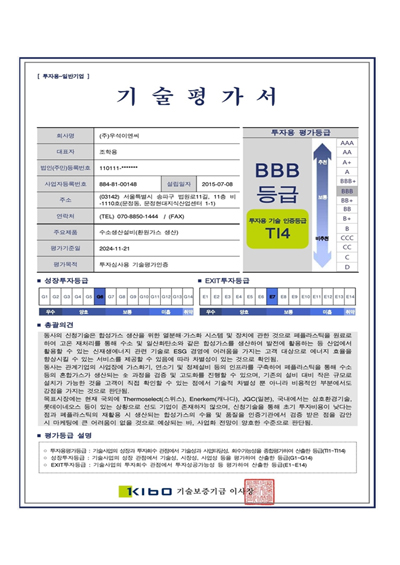
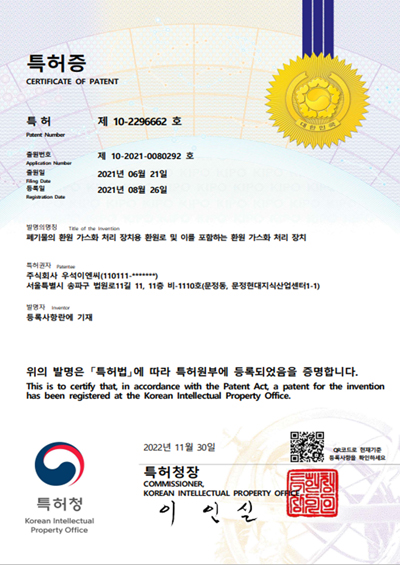
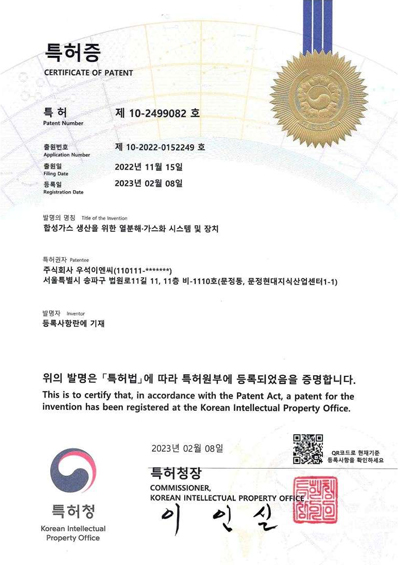
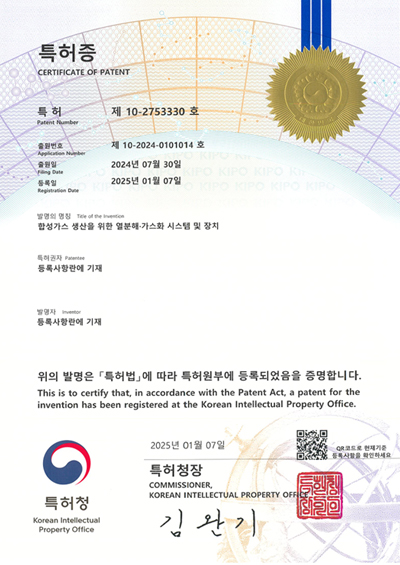
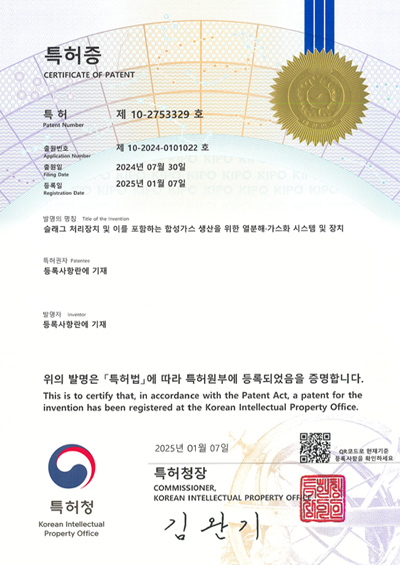
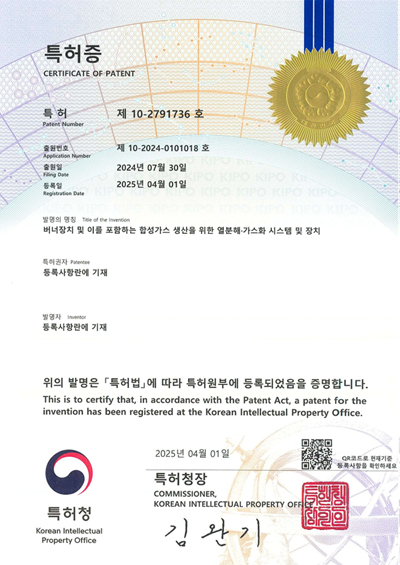
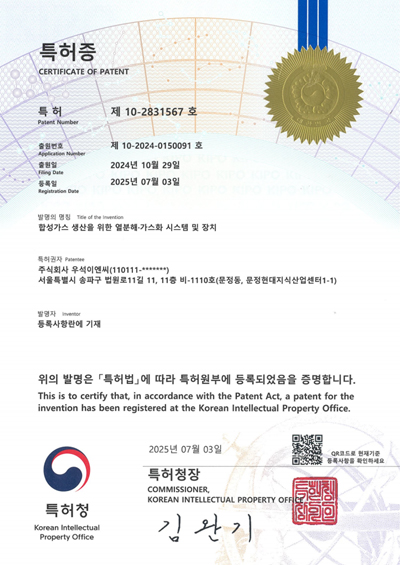
Various Certifications and Patents Held
  • Establishment of resource circular economy using mixed waste plastics (including thermosetting) and localization of gasification technology as a public good technology leading carbon reduction climate technology
  • As of May 2025, we are the only company in Korea that produces hydrogen using mixed waste plastics among 112 companies specializing in hydrogen
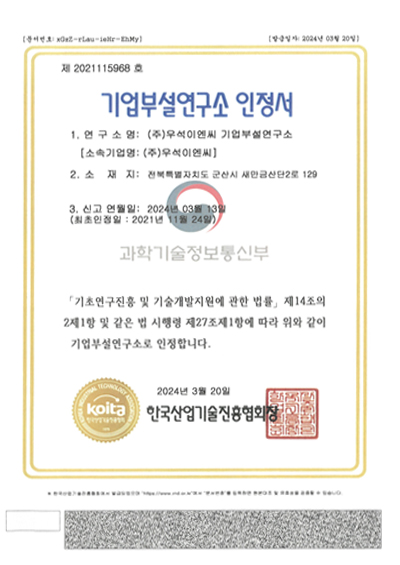
Certificate of Recognition for
Corporate Research Institute
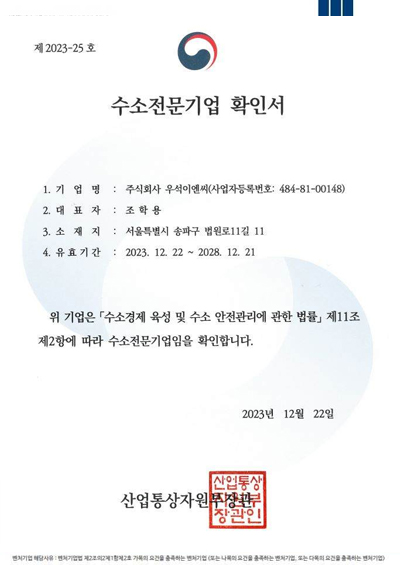
Certificate of Hydrogen Specialist Company
Certificate of Venture Company
Technology Evaluation Report
Patent No. 10-2296662
Patent No. 10-2499082
Patent No. 10-2753330
Patent No. 10-2753329
Patent No. 10-2791736
Patent No. 10-2831567
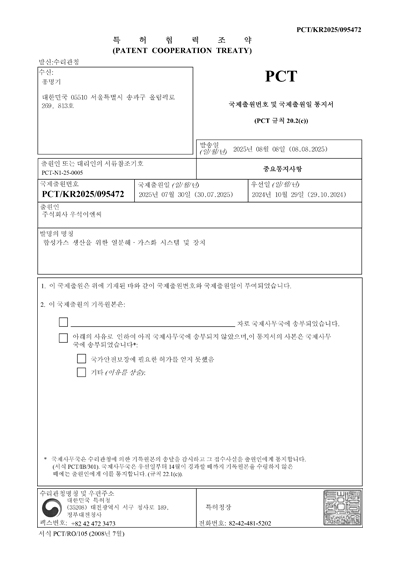
Notification of International Application Number and International Filing Date (PCT-N1-25-0005)
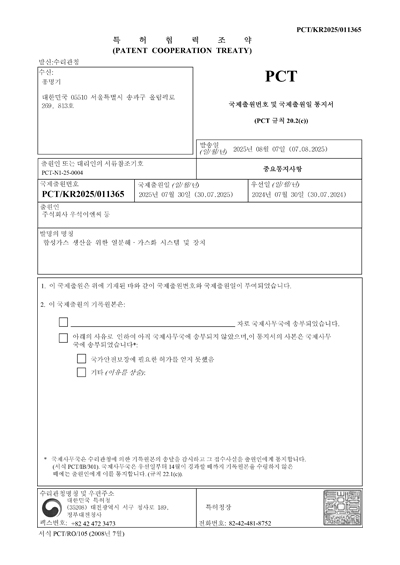
Notification of International Application Number and International Filing Date (PCT-N1-25-0004)
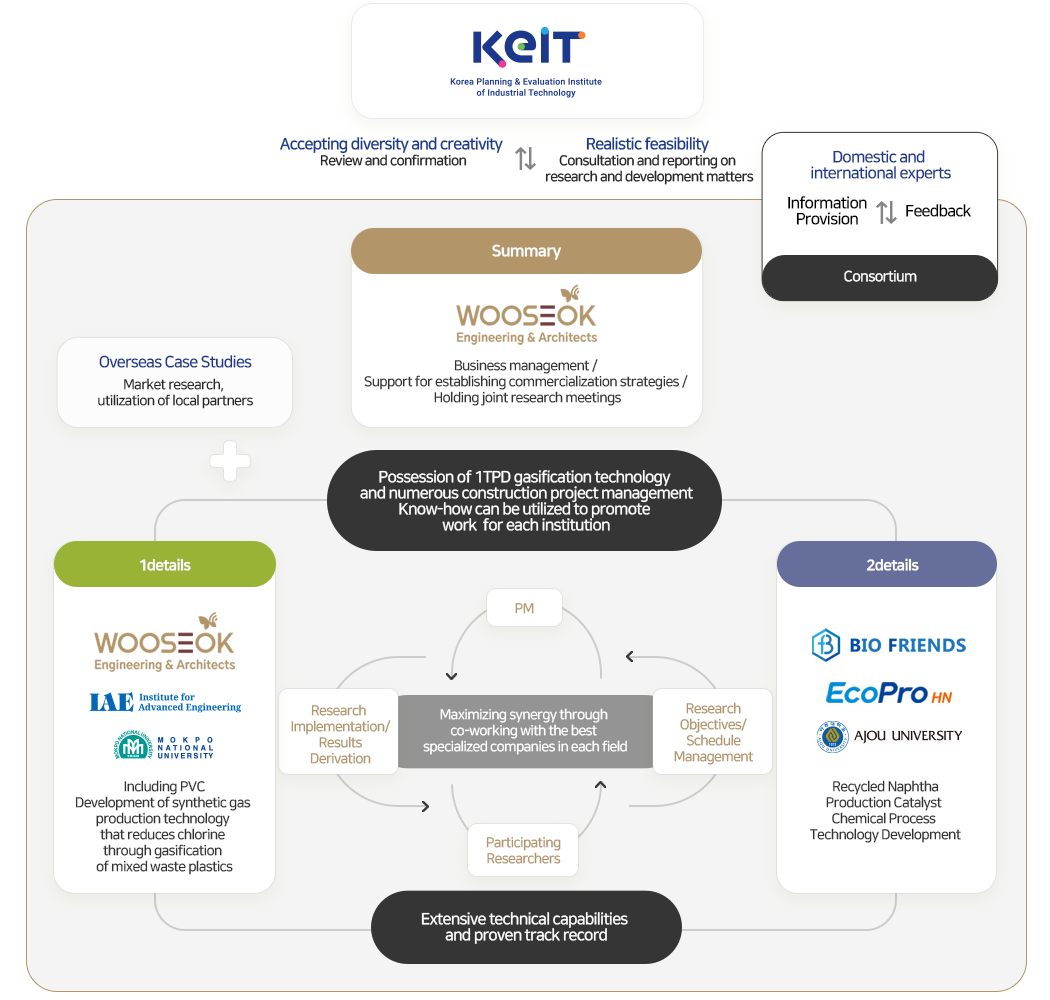
Selection of Research Project by Ministry of Trade, Industry and Energy
  • Development of technology for producing recycled naphtha through gasification of mixed waste plastics containing PVC
  • Government funding : 15 billion won
  • Research period : July 1, 2024 to December 31, 2028 (4 years and 6 months)
Technology spillover
  • If the project for producing reducing gas using waste plastic is promoted, it will be possible to escape from dependence on foreign technology (e.g., dependence on operation technology) and the burden of technology fees, and enhance negotiation power through securing domestic technology.
  • Through the ability to develop small- to medium-scale projects (less than 50 tons per day), secure a competitive model (e.g., a decentralized resource-circulation model for producing hydrogen at the regional level) and reduce indirect costs by shortening the project development period.
  • By using a 10-ton/day processing capacity as the standard model, it is possible to respond to fluctuations in demand (hydrogen refueling station sales) through the construction of parallel systems.
  • Competitive hydrogen production facility cost: reduction of equipment manufacturing cost through modular mass production.
  • Maximization of revenue generation for hydrogen production plants: waste plastic treatment fee + hydrogen sales revenue + CO₂ sales revenue.
  • Export of hydrogen production facilities : currently in export discussions with countries such as the United States, China, the Middle East, Japan, where transporting hydrogen energy is difficult.
  • Hydrogen production + on-site refueling station: improved expected profits for on-site hydrogen refueling stations due to competitive hydrogen supply price (no transportation cost).
  • In specific discussions with domestic company GY for a 10-ton/day waste-plastic gasification hydrogen production project.
  • In discussion with S company, a waste-battery recycling firm, to produce hydrogen from waste plastic generated at the plant and supply it back to the production line.
Background and Objectives of Technology - Commercialization of high-temperature gasification technology will establish a resource recycling economy and regionally distributed renewable energy, thereby establishing climate technology
Continuous generation of plastic waste
  • The waste plastic market is predicted to grow from 100 trillion won in 2023 to 173 trillion won in 2030, with an annual growth rate of 8.1%.
  • Continuous increase in thermosetting mixed waste plastics used in discarded fishing nets, construction site safety nets, and automobiles.
  • Mixed waste plastics are processed directly into recycled raw materials at intermediate processing companies and fed into gasifiers.
Domestic production of high-temperature gasification technology
  • The operating temperature of the gasifier is 1,500°C to 1,550°C in continuous operation.
  • Core technology of a two-stage integrated single gasifier and elemental technology of refractory and heat storage that ensures continuous operation of high-temperature gasification.
  • High-temperature gasification operation enables the collection of high-quality carbon black generated in small quantities and reduces air pollution significantly through gasification technology without a chimney,making it a carbon reduction climate technology.
  • High-temperature gasification and core technology operation enable the generation of high-efficiency synthesis gas with H2 + CO content of over 85%.
Commercialization of high-temperature gasification technology
  • Expanding the recycling of low-grade waste resources into high value-added products.
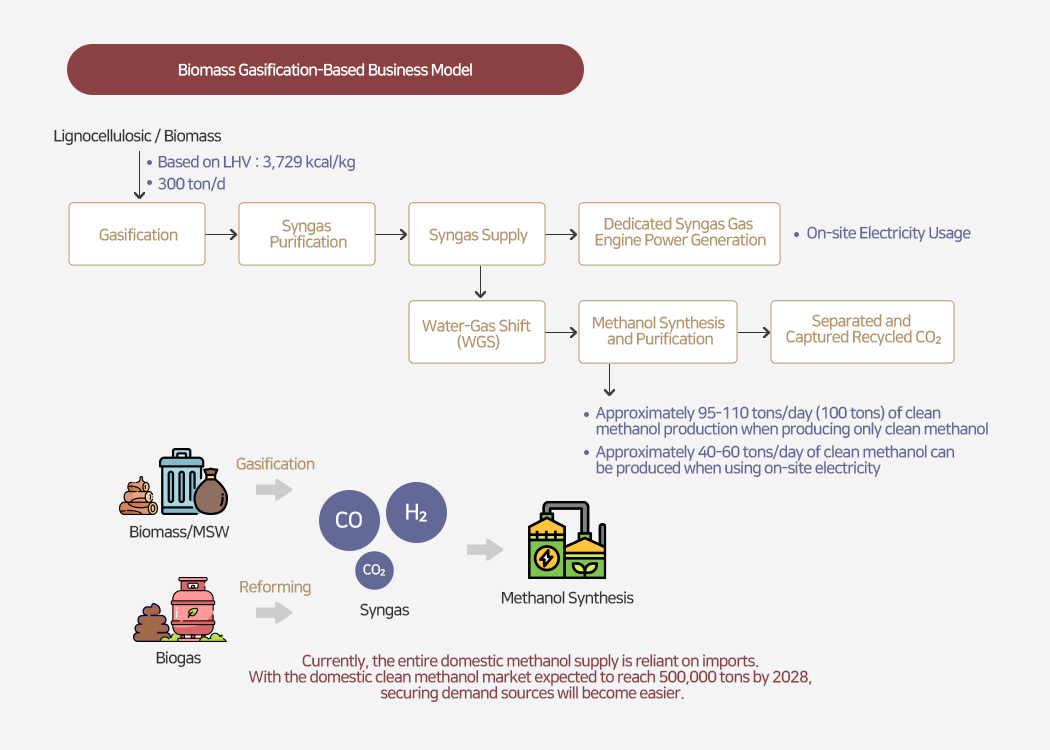
  • Chemically recycling mixed waste plastics containing PVC to produce renewable energy such as hydrogen, methanol, and naphtha, and directly supplying it to local communities and industrial sites that need it, thereby achieving dramatic cost reductions by eliminating storage and transportation processes.
  • Expanding exports of 1MW renewable energy products based on high-content synthetic gas from mixed waste plastics in Southeast Asia.
  • Commercializing domestically developed high-temperature gasification technology to prevent foreign exchange losses and enhance national prestige.
  • Launching the Kohygen Yangji on-site hydrogen charging station to promote the spread of distributed energy in the region.
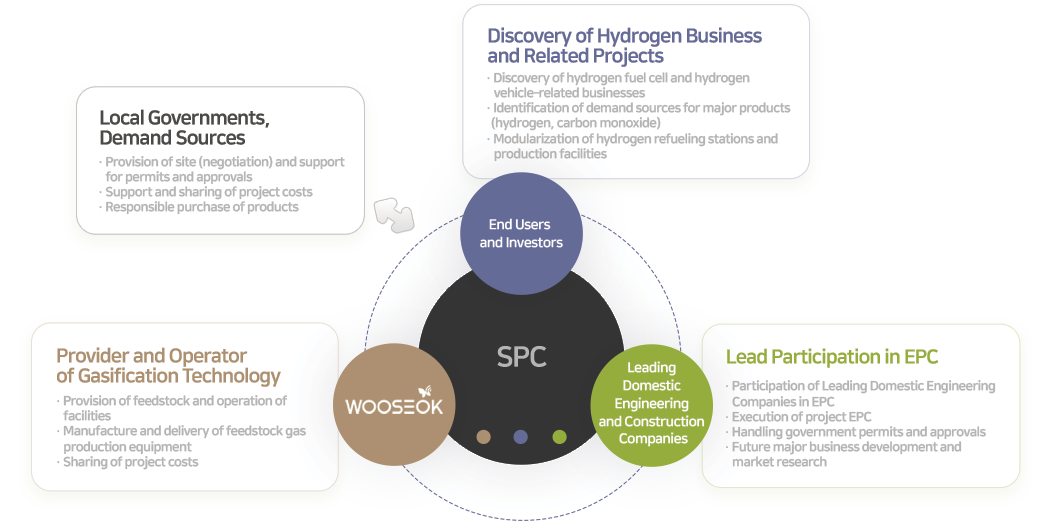
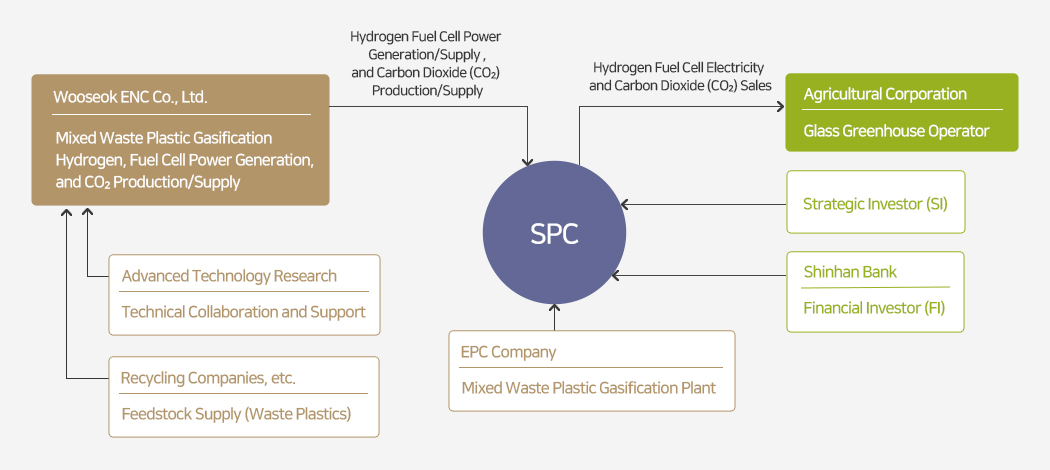
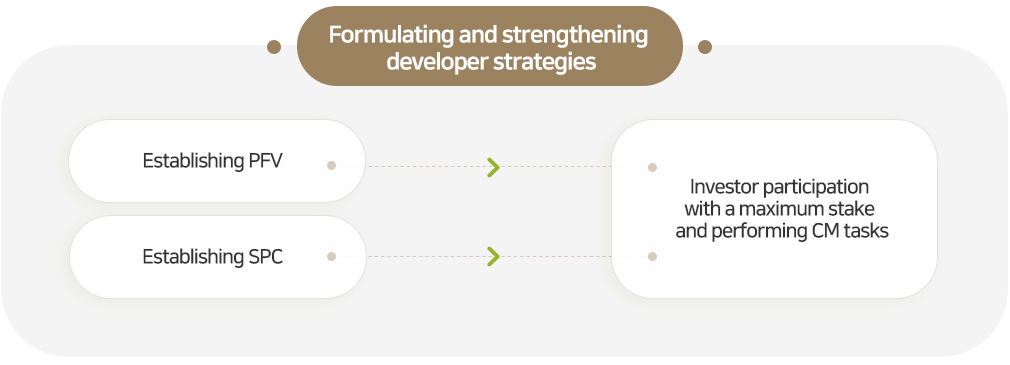
Schematic Diagram of Business Roles for Wooseok ENC Co., Ltd., SPC Participating Companies, and Local Governments
(Feedstock Supply and Product Purchase)
365 days of stable hydrogen supply Gasification system: 2 train design and operation technology
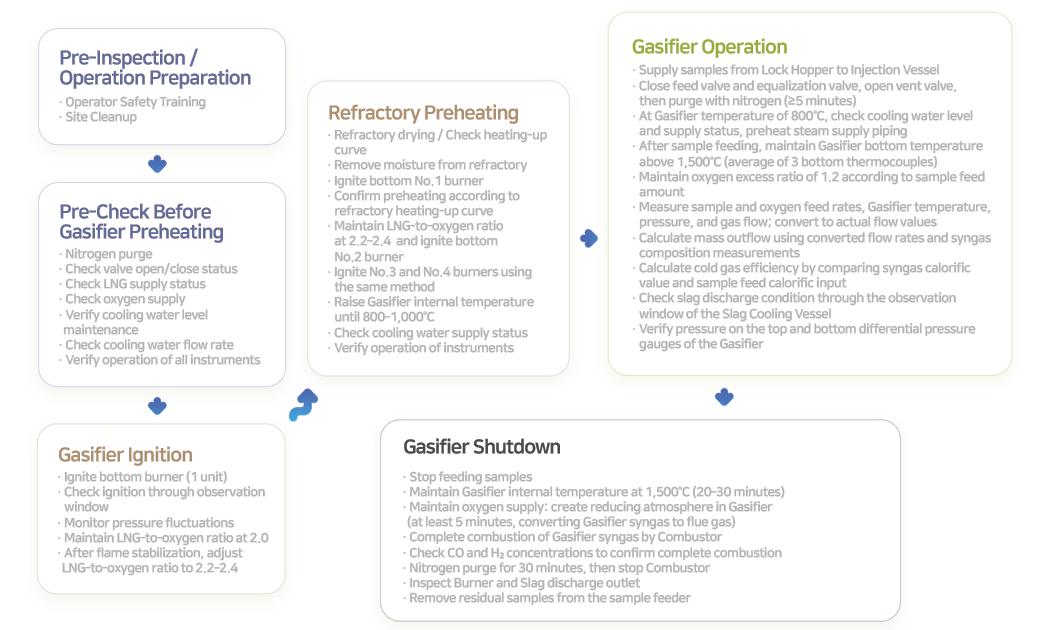
Establishment of 365-Day Safe Operation Manual
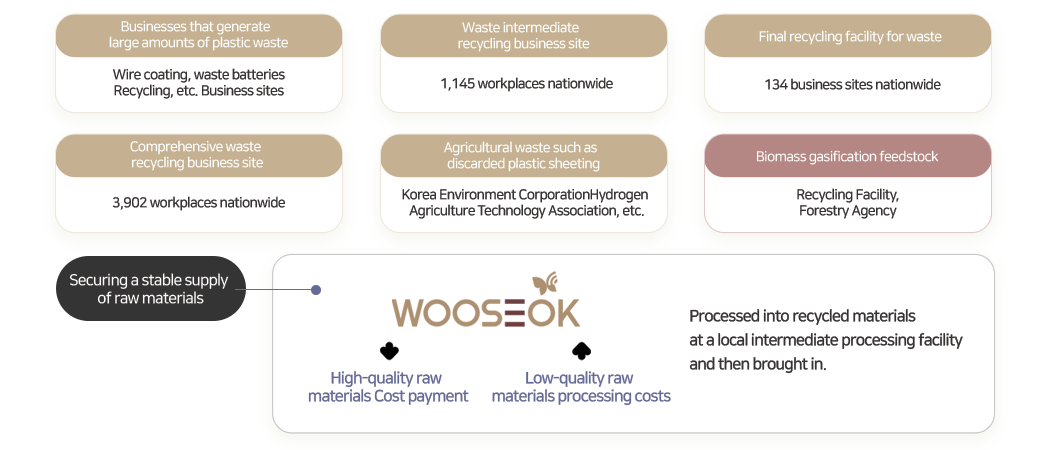
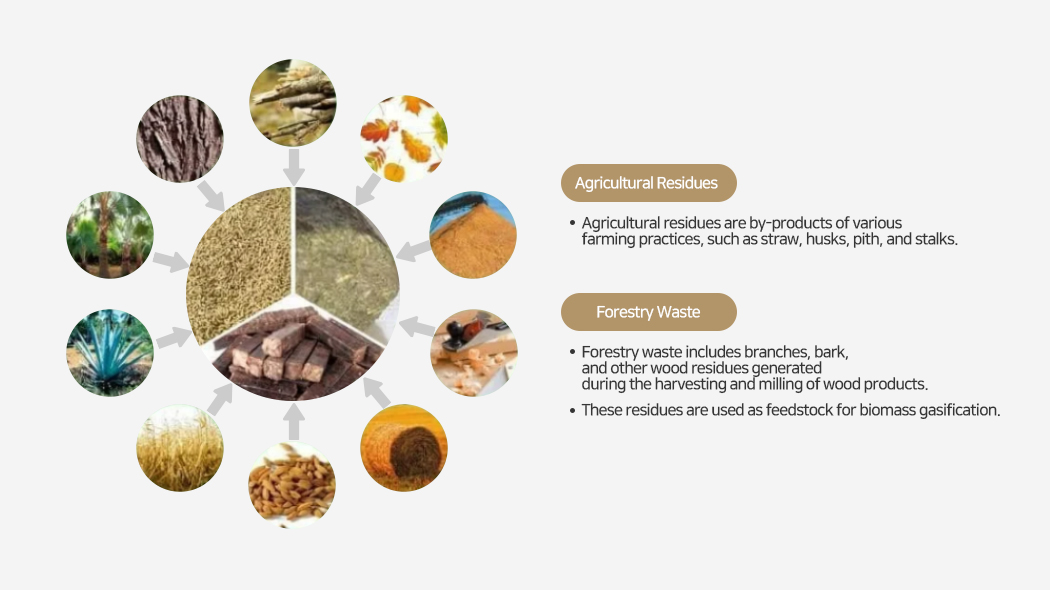
Securing a stable supply of gasification feedstock
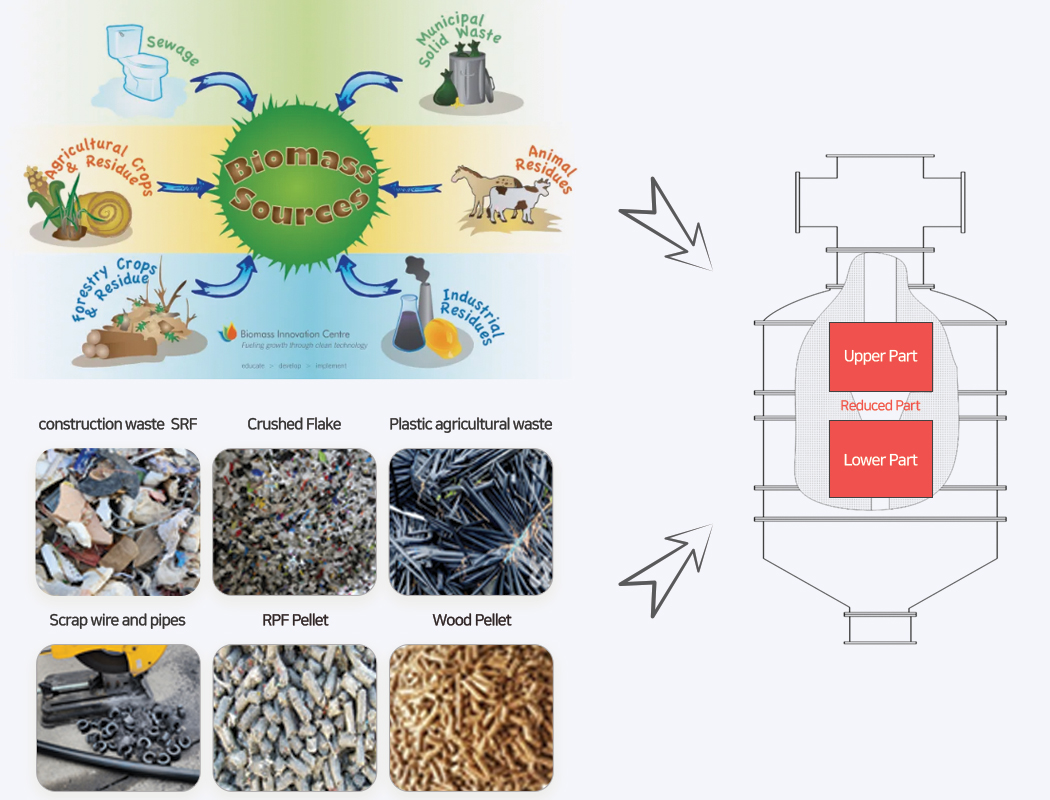
Types of gasifier feedstock
Diversification of raw materials used
Product Introduction of Hydrogen Production and Power Generation Technology
  • Manufacturing technology that modularizes by work type, manufactures in container type, and installs and operates.
  • Hydrogen production model (WRTHP1000~3000): H2 1,000~3,000kg/day
Waste Plastic Low heating value (LHV, kcal/kg)
H₂ Production (Ton/day)
6,000 7,500 9,000
1.0 2.0 3.0 1.0 2.0 3.0 1.0 2.0 3.0
Waste plastic input (Q₁, ton/day) 4.08 8.16 12.24 3.21 6.42 9.63 2.64 5.28 7.92
Waste plastic input (Q₂, ton/day) 4.08 8.16 12.24 3.21 6.42 9.63 2.64 5.28 7.92
Waste plastic input (Total, ton/day) 8.16 16.32 24.48 6.42 12.84 19.26 5.28 10.56 15.84
Synthetic gas-based power generation model (WRTPGE1000): Electricity (gas engine) 1MW (Indonesia, Tanzania, Sri Lanka)
Waste Plastic Low heating value (LHV, kcal/kg) 6,000 7,000 7,500
Waste plastic input (Q₁, ton/day) 8.04 6.84 6.36
Waste plastic input (Q₂, ton/day) 8.04 6.84 6.36
Waste plastic input (Total, ton/day) 16.08 13.68 12.72

이메일 무단수집 거부

우암에이엠테크는 이메일무단수집을 거부합니다.
웹사이트에 등록된 이메일 주소가 전자우편수집 프로그램이나 그 밖의 수단들로 무단 수집되는 것을 거부합니다. 이를 위반 시 정보보호 등에 관한 법률 제50조의 2와 65조의 2에 따라 형사처벌 됨을 유의하시기 바랍니다.

개인정보처리방침

3처리하는 개인정보 항목

회사는 다음의 개인정보 항목을 처리하고 있습니다.

구분 수집 항목 수집 방법
회원가입 필수: 성명, 아이디, 비밀번호, 이메일, 연락처
선택: 회사명, 부서, 직위
홈페이지
온라인 문의 필수: 성명, 연락처, 이메일
선택: 회사명, 문의내용
문의게시판
견적 요청 필수: 성명, 연락처, 이메일, 회사명
선택: 주소, 요청내용
견적요청
자동 수집 IP주소, 쿠키, 서비스 이용기록, 방문기록 자동 수집

4개인정보의 제3자 제공

회사는 정보주체의 개인정보를 제1조(개인정보의 처리 목적)에서 명시한 범위 내에서만 처리하며, 정보주체의 동의, 법률의 특별한 규정 등 「개인정보 보호법」 제17조 및 제18조에 해당하는 경우에만 개인정보를 제3자에게 제공합니다.

현재 회사는 개인정보를 제3자에게 제공하고 있지 않습니다.

5개인정보의 처리 위탁

회사는 원활한 개인정보 업무처리를 위하여 다음과 같이 개인정보 처리업무를 위탁하고 있습니다.

위탁받는 자 위탁 업무
○○호스팅 웹사이트 서버 운영 및 관리

6개인정보의 파기 절차 및 방법

회사는 개인정보 보유기간의 경과, 처리목적 달성 등 개인정보가 불필요하게 되었을 때에는 지체없이 해당 개인정보를 파기합니다.

  • 전자적 파일 형태의 정보는 기록을 재생할 수 없는 기술적 방법을 사용합니다.
  • 종이에 출력된 개인정보는 분쇄기로 분쇄하거나 소각을 통하여 파기합니다.

7정보주체의 권리·의무 및 행사방법

정보주체는 회사에 대해 언제든지 개인정보 열람·정정·삭제·처리정지 요구 등의 권리를 행사할 수 있습니다.

  • 권리 행사는 서면, 전자우편, 모사전송(FAX) 등을 통하여 하실 수 있으며, 회사는 이에 대해 지체없이 조치하겠습니다.
  • 권리 행사는 정보주체의 법정대리인이나 위임을 받은 자 등 대리인을 통하여 하실 수 있습니다.
  • 회사는 열람 등 요구를 한 자가 본인이거나 정당한 대리인인지를 확인합니다.

8개인정보의 안전성 확보조치

회사는 개인정보의 안전성 확보를 위해 다음과 같은 조치를 취하고 있습니다.

  • 관리적 조치: 내부관리계획 수립·시행, 정기적 직원 교육
  • 기술적 조치: 개인정보처리시스템 접근권한 관리, 접근통제시스템 설치, 암호화, 보안프로그램 설치
  • 물리적 조치: 전산실, 자료보관실 등의 접근통제

9쿠키의 설치·운영 및 거부

회사는 이용자에게 맞춤서비스를 제공하기 위해 '쿠키(cookie)'를 사용합니다. 웹브라우저 설정을 통해 쿠키 저장을 거부할 수 있으나, 이 경우 맞춤형 서비스 이용에 어려움이 발생할 수 있습니다.

10개인정보 보호책임자

회사는 개인정보 처리에 관한 업무를 총괄해서 책임지고, 개인정보 처리와 관련한 정보주체의 불만처리 및 피해구제 등을 위하여 아래와 같이 개인정보 보호책임자를 지정하고 있습니다.

▶ 개인정보 보호책임자

성명: ○○○ / 직책: ○○○

연락처: ○○○-○○○○-○○○○

이메일: privacy@woosukamc.co.kr

11권익침해 구제방법

정보주체는 개인정보침해로 인한 구제를 받기 위하여 아래 기관에 분쟁해결이나 상담 등을 신청할 수 있습니다.

개인정보분쟁조정위원회

☎ 1833-6972 / www.kopico.go.kr

개인정보침해신고센터

☎ 118 / privacy.kisa.or.kr

대검찰청 사이버수사과

☎ 1301 / www.spo.go.kr

경찰청 사이버수사국

☎ 182 / ecrm.cyber.go.kr

12개인정보 처리방침 변경

이 개인정보 처리방침은 2025년 1월 1일부터 적용됩니다.